Laser refractive surgery
Astigmatism
Astigmatism makes vision blurred or distorted, at all distances. It stems from a cornea that is slightly irregular in shape. It can be corrected with glasses, contact lenses or, depending on assessment, by laser.
Laser refractive surgery
Astigmatism makes vision blurred or distorted, at all distances. It stems from a cornea that is slightly irregular in shape. It can be corrected with glasses, contact lenses or, depending on assessment, by laser.
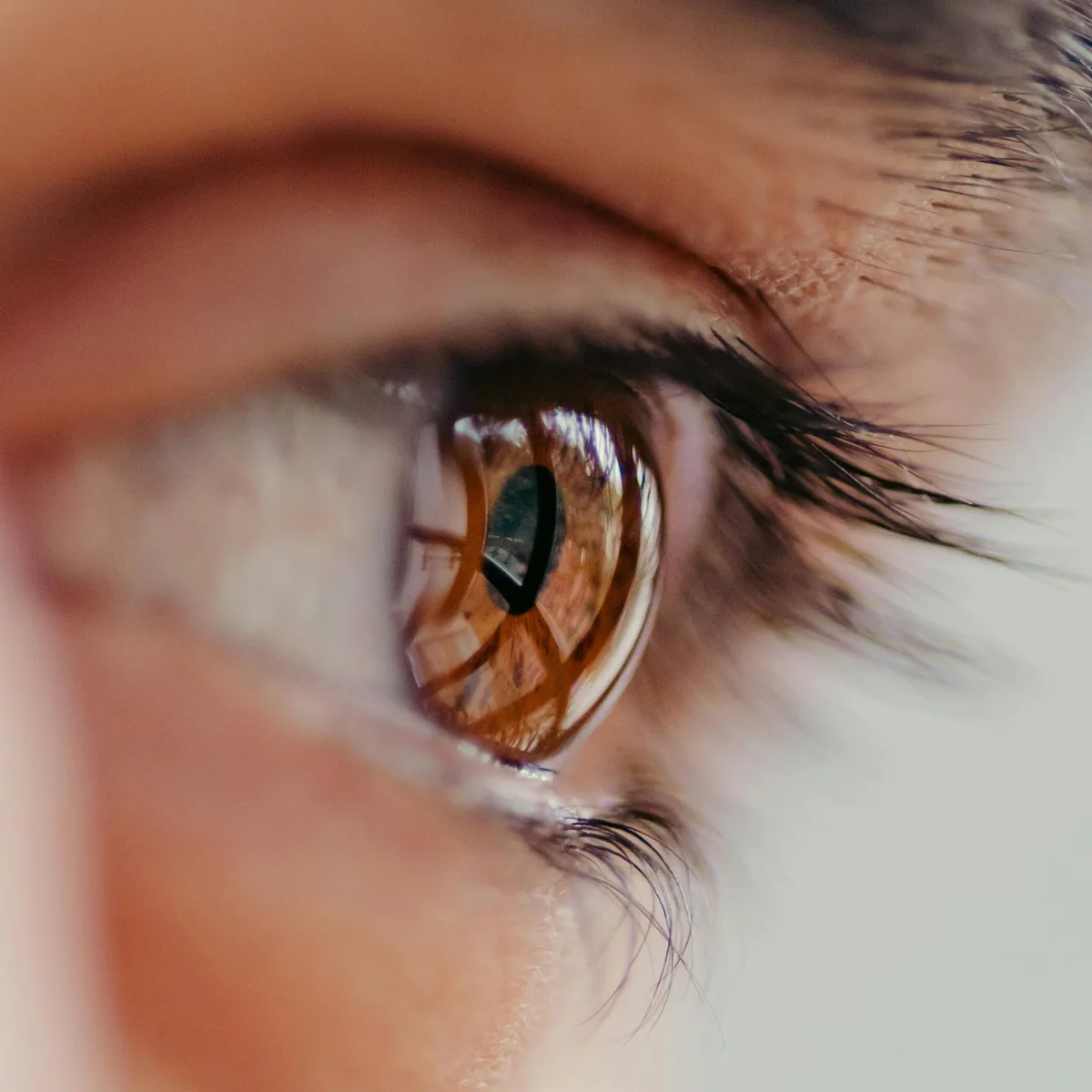
Astigmatism is a very common visual condition linked to the shape of the cornea. Instead of being evenly curved like a football, an astigmatic cornea is slightly more oval, like a rugby ball: light is no longer focused at a single point on the retina, but at several. The resulting image is blurred or doubled, at all distances.
It is often present from birth and stable over time. It may occur alongside myopia, hyperopia, or presbyopia.
Contrary to a common misconception, astigmatism affects vision at all distances, not only near or far.
An ophthalmic assessment measures the astigmatism precisely and determines its nature, so that the most appropriate correction can be proposed.
Astigmatism most often results from a particular corneal curvature, present from birth and partly hereditary in origin. Less commonly, it may be linked to the crystalline lens or arise following a corneal condition or surgery.
Astigmatism can be corrected with glasses or adapted contact lenses. For those wishing to be free of optical correction, laser correction may be considered, following assessment.
The laser reshapes the cornea to regularise its curvature and bring light back to a single focal point. It corrects astigmatism alone or in combination with myopia or hyperopia. Learn more: Lasik, PRK.
The right solution depends on the type and degree of astigmatism, the condition of your cornea, and your other visual needs. It is decided together with you at the assessment.
Eligibility is confirmed following a full assessment. The following are considered:
The process is gradual and without commitment.
Precise measurement of astigmatism, corneal topography, and a full eye examination.
Presentation of the appropriate options, their benefits and their limitations.
Laser treatment, depending on the chosen strategy.
Close-interval checks to monitor recovery.
Recovery depends on the solution chosen. Transient discomfort and fluctuating vision in the first few days are normal.
After laser correction, regular follow-up is essential to ensure proper healing of the cornea and the quality of the visual outcome. Appointments are generally scheduled as follows:
Eye drops are prescribed for a few weeks. You are also advised not to rub your eyes and to follow the instructions given by your surgeon, in order to support optimal healing.
The consultation and assessment take place at Dr Gattoussi's practice at the Med-Ophta centre, 95 rue du Faubourg Saint-Antoine, 75011 Paris. The procedure takes place at a dedicated surgical centre.
Astigmatism is often stable, but monitoring allows its progression to be followed.
Yes, a single correction can often address several refractive errors. This is assessed at the eligibility appointment.
Refractive surgery is generally not covered by the French national health insurance; some complementary health insurance plans offer a flat-rate contribution.
See also
Book an appointment
Ophthalmology practice in Paris 11th. Online appointments via Doctolib, at any time. Sector 2 fees.