Cataract surgery
Cataract is the progressive clouding of the crystalline lens, the eye's natural lens, which gradually veils vision with age. Its treatment, one of the most common and reliable procedures in ophthalmology, involves replacing the lens with a clear implant.
The crystalline lens is the transparent lens inside the eye that enables focusing. With age, it gradually becomes cloudy: this is a cataract. Light passes through less effectively, and vision becomes blurred, as if seen through frosted glass.
This is a very common age-related change. The only way to restore clear vision is to replace the clouded lens with a clear implant: there is no eye drop or laser treatment that can remove the cataract itself.
Cataract surgery is one of the most commonly performed surgical procedures. It replaces the clouded lens with a bespoke implant.
Cataracts develop slowly. The most common signs are:
There is no urgency to operate on a cataract: the right time is when the visual impairment begins to affect your daily life (reading, driving, activities). The decision is made together, following an assessment.
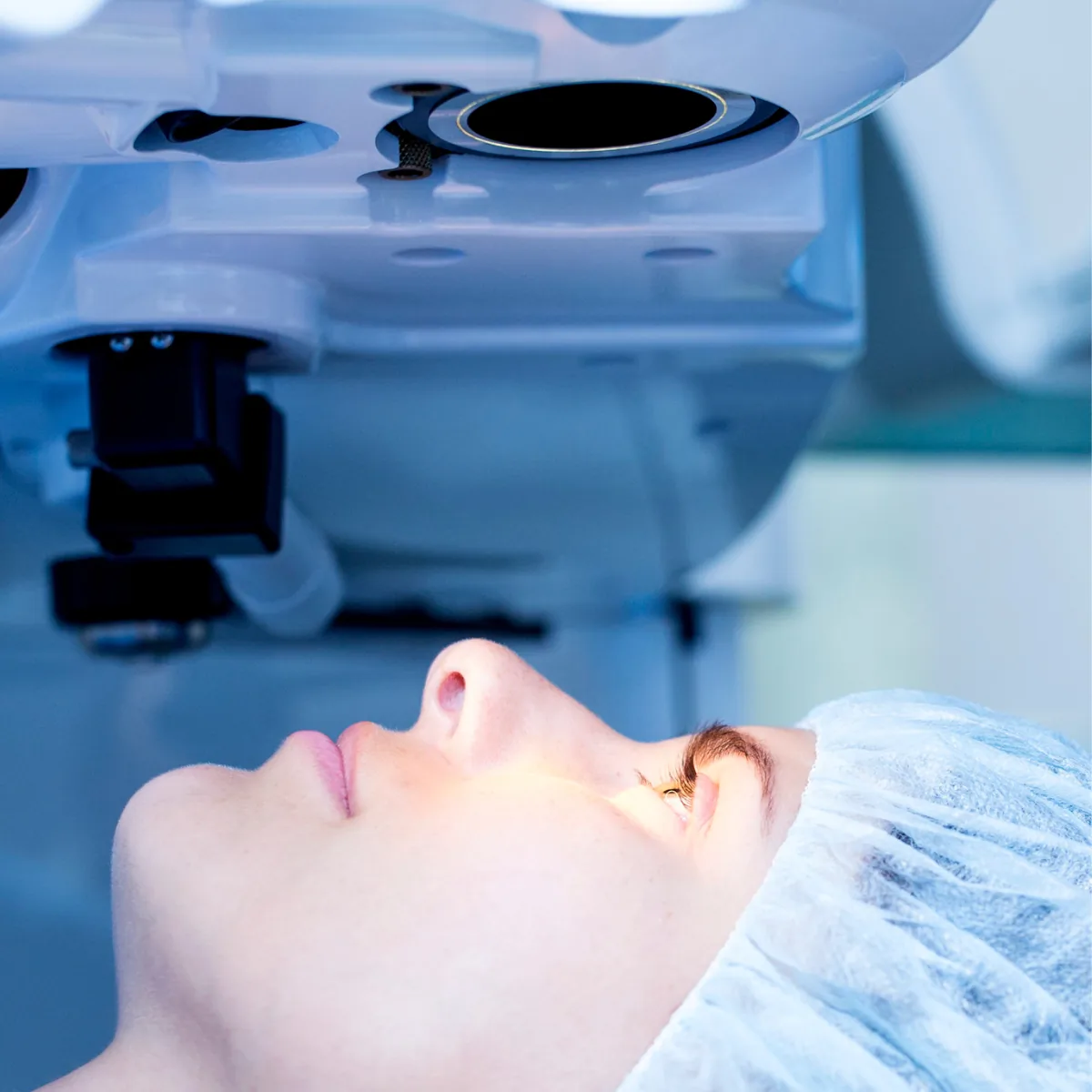
The operation is performed as a day case, usually under local anaesthetic, one eye at a time. It is brief and painless.
Precise measurements of the eye to select and calculate the appropriate implant.
The clouded lens is removed through a micro-incision (phacoemulsification).
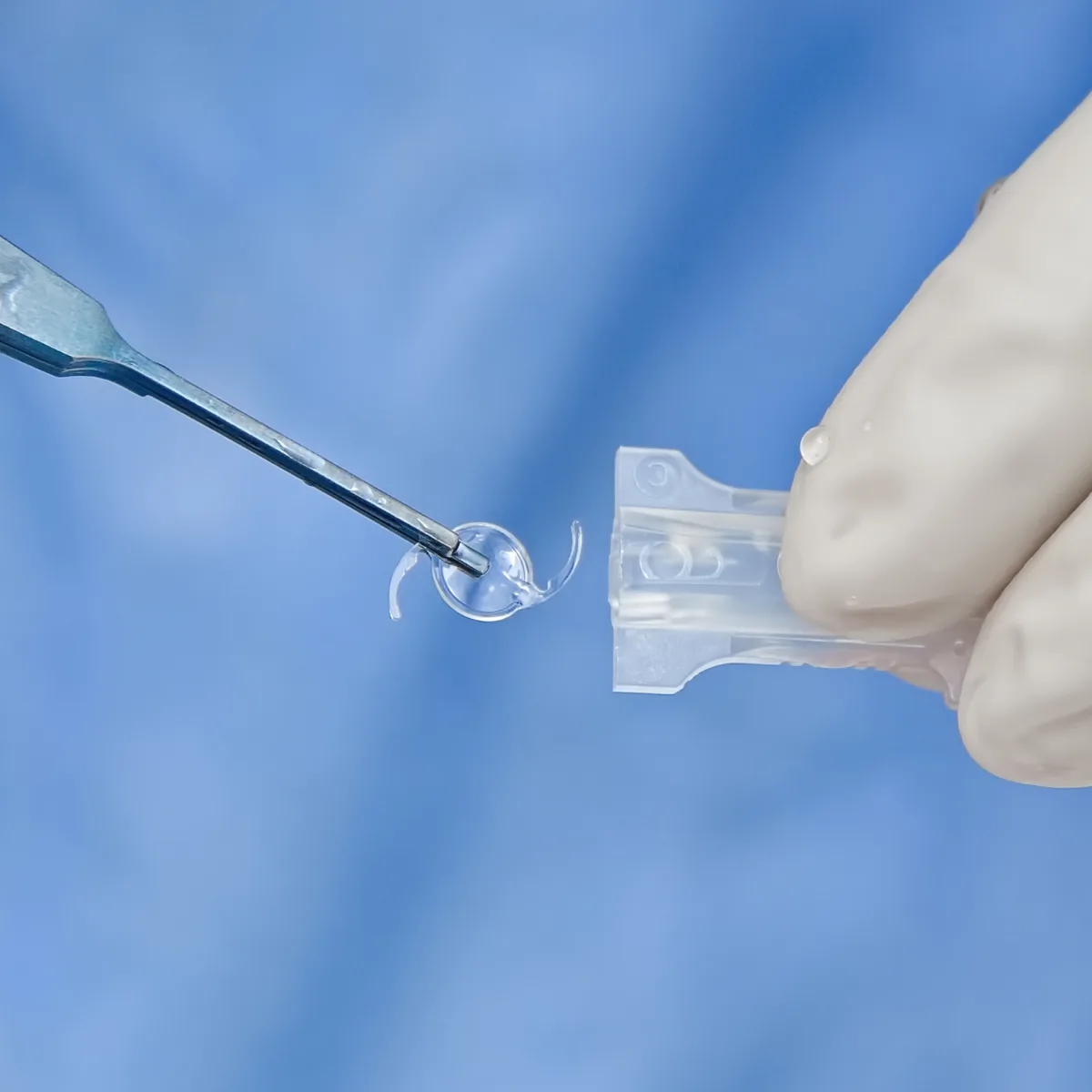
The clear implant is introduced, folded, then positioned in place of the lens.
Rapid recovery, follow-up checks, and the second eye operated at a later date if required.
The implant that replaces the lens is chosen on a bespoke basis. Depending on the type of implant, it can also correct myopia, hyperopia, astigmatism or presbyopia, reducing dependence on glasses. This choice is discussed during the consultation.
Visual recovery is generally rapid. Eye drops are prescribed to support healing, with a few simple instructions for the first few days.
No. The procedure is performed under local anaesthetic and is painless. Mild discomfort may follow in the hours after surgery.
Since the lens is replaced, the cataract cannot return. A thin membrane behind the implant may become cloudy over time: this is easily treated with a laser.
In most cases, the eyes are operated on one at a time, a few days or weeks apart.
The procedure is covered by the French national health insurance (Assurance Maladie). Some implants or services may involve additional costs; details are provided during the consultation.
Book an appointment
Ophthalmology practice in Paris 11th. Online appointments via Doctolib, at any time. Sector 2 fees.