Cataract surgery

Intraocular lenses

During cataract surgery, the clouded crystalline lens is replaced by a transparent intraocular implant that remains in the eye permanently. Several types of implant exist; the choice is made with you, according to your eye and your lifestyle.
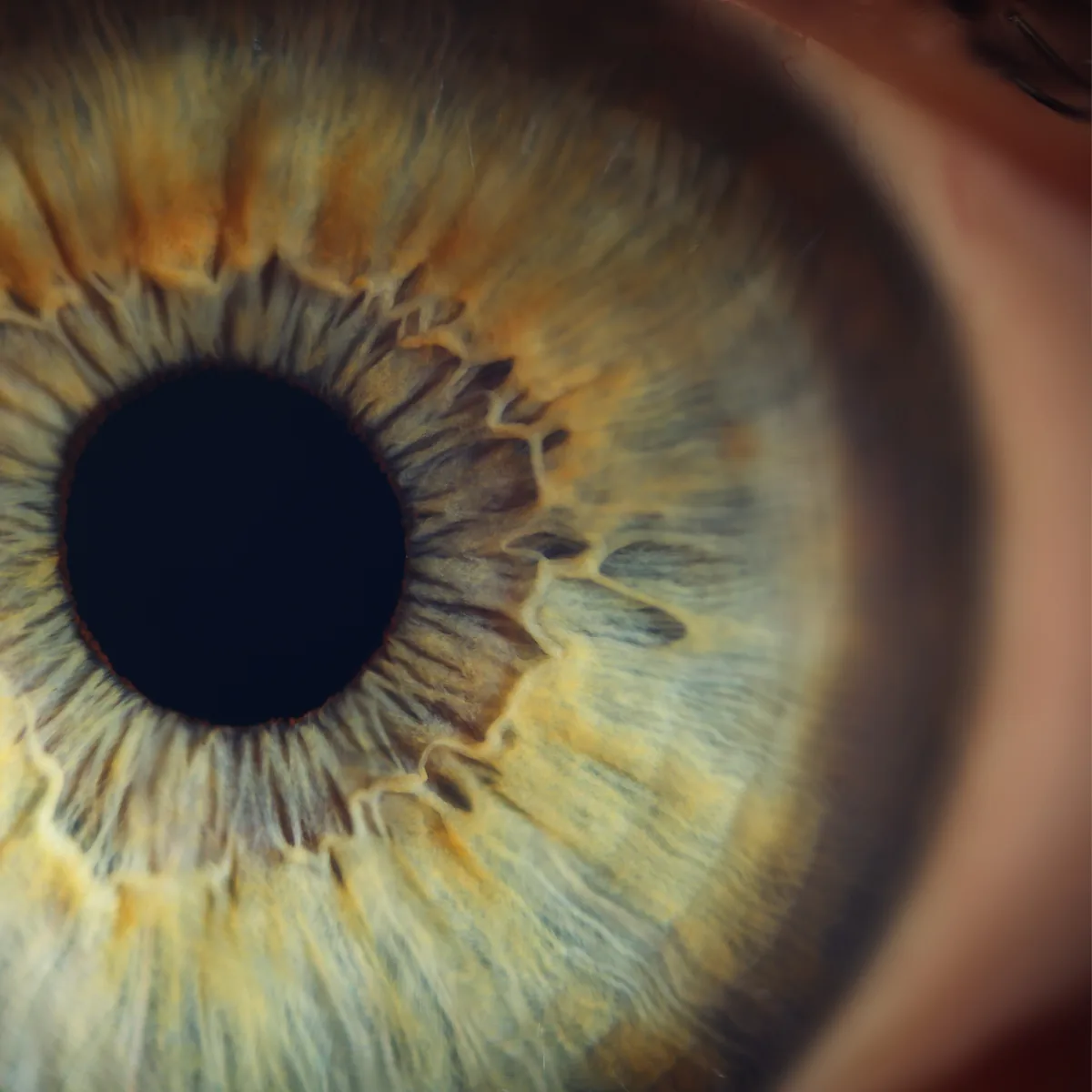
Transparent intraocular implant for cataract surgery

What is the implant for?

During cataract surgery, the clouded crystalline lens is removed and replaced by a transparent intraocular implant: an artificial lens that takes its place permanently and restores the transparency of the light path. The implant also carries the vision correction, calculated on a bespoke basis for your eye.

The implant replaces the crystalline lens for life: this is why the choice, made with you before the procedure, is so important.

Types of implant

Several families of implant exist. They differ primarily in the distances at which they provide clear vision. The choice is made together with you, according to your eye, your visual needs and your habits; it is finalised during the procedure, with the implant best suited to your situation.

Monofocal implant

It provides clear vision at one principal distance, most often for distance vision. Glasses generally remain useful for near vision (reading). It is the most common type.

Extended depth of focus implant (EDOF)

It aims to extend the range of clear vision, particularly for distance and intermediate distances (screen, dashboard).

Multifocal implant

It seeks to correct vision at several distances, both far and near, to reduce dependence on glasses. It requires an adaptation period and is not suitable for all eyes.

Toric implant

It also corrects astigmatism. This characteristic can be combined with the other implant families.

DistanceIntermediateNear Monofocal EDOF Multifocal Clear vision ranges (indicative illustration)
Schematic, indicative illustration of vision ranges by implant type. Actual results depend on each individual eye.

How is the implant chosen?

The choice is made together, following assessment, according to the health of your eye, your vision and your lifestyle (reading, screens, driving, activities). No implant is "better" in absolute terms: the right implant is the one that matches your situation and your expectations, explained without any promise of a specific result.

Frequently asked questions

Does the implant need to be changed over time?

The implant is designed to remain in place permanently; it does not wear out and is not routinely replaced.

Will I be able to manage without glasses?

This depends on the type of implant and your eye. Certain implants reduce the need for glasses, without guaranteeing that they can be dispensed with entirely. This is discussed during the consultation, without any promise of a specific result.

How do I choose between monofocal and multifocal?

The choice depends on your priorities (distance vision, near vision, night driving) and the characteristics of your eye. It is decided together following assessment.

Are implants covered by health insurance?

The standard monofocal implant is covered. Certain implants or options may involve additional costs; details are provided during the consultation.

See also

Book an appointment

Consult Dr Gattoussi

Ophthalmology practice in Paris 11th. Online appointments via Doctolib, at any time. Sector 2 fees.