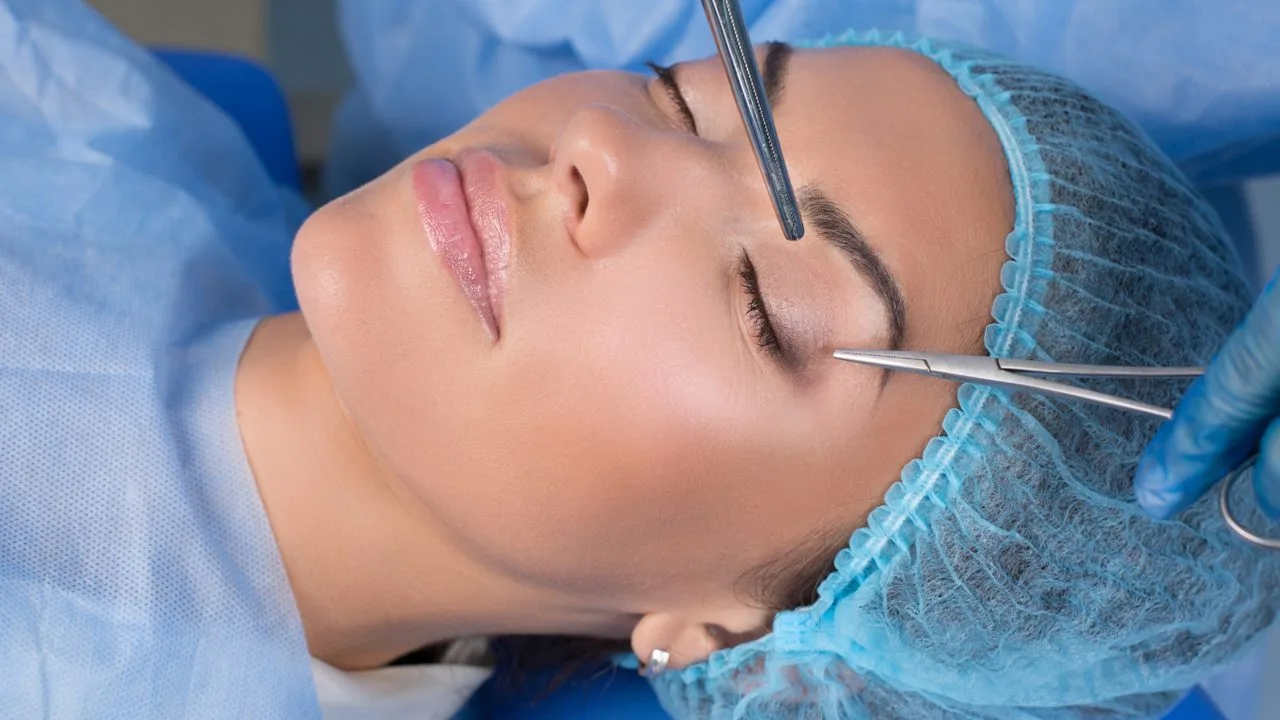
The eyelids protect the eye and spread the tear film with every blink. When they droop, turn inwards, or carry a lesion, the problem can be as much functional as cosmetic. An overview, without preconceptions.
In brief: eyelid surgery corrects a variety of conditions (drooping eyelid, excess skin, inward-rolling eyelid, small lesions). It often has a functional component when vision or comfort is affected. The indication and nature of the procedure are decided following examination.
The eyelids close and protect the eye, and at each blink they spread the tear film that lubricates it. When their position or suppleness changes, this can affect vision (restricted visual field caused by a low eyelid), comfort (irritation, watering), or the appearance of the eye.
This is an important distinction. When a drooping eyelid or excess skin genuinely affects vision or causes irritation, the procedure has a functional purpose. In other cases, the request is primarily cosmetic. The examination assesses the contribution of each aspect and guides management, which also has implications for potential reimbursement.
Eyelid procedures are generally brief, most often performed under local anaesthesia on a day-case basis. The recovery typically involves some temporary swelling and bruising, which settles over a few days to a few weeks. Specific instructions are given on a case-by-case basis.
The eyelids can carry various small lesions, most often benign (milia, cysts, warts, chalazia, and so on). Some do warrant examination and, on occasion, removal with histological analysis, particularly if they grow, bleed, fail to heal, or deform the eyelid margin. See also: stye and chalazion.
An examination allows the correct diagnosis to be established and, if necessary, an appropriate referral to be made. [TO BE VALIDATED: procedures performed or referral]
It can be both. When vision or comfort is affected, the procedure has a functional purpose. The cosmetic and functional components are assessed during the consultation.
Not necessarily. Surgery is indicated mainly when the eyelid affects vision. A recent onset should first be investigated.
The vast majority are benign. Some warrant examination, particularly if they grow, bleed, or fail to heal.
Incisions are placed within natural folds to keep them discreet. Details are explained on a case-by-case basis.
This article is for general information purposes and does not replace a consultation. It does not constitute individual medical advice.
Further reading