Retina · Diabetic ophthalmology
The first line of defence against diabetes-related vision loss, screening identifies retinal damage well before the first symptoms appear. It is a simple, painless examination that should be carried out regularly from the time of a diabetes diagnosis.
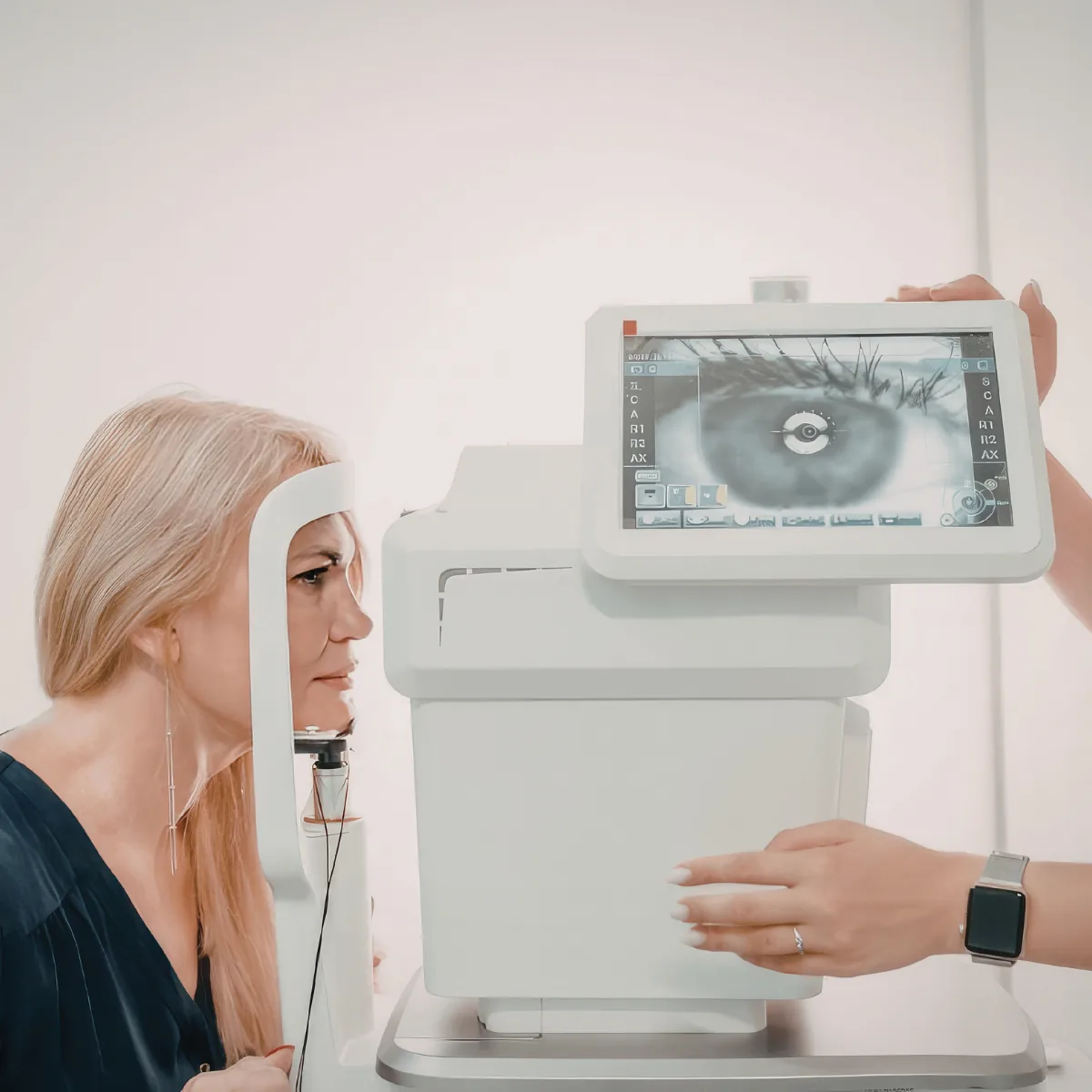
Diabetic retinopathy most often progresses without any symptoms in the early stages. By the time vision deteriorates, the damage is already established. Screening allows the first signs to be identified while they are still silent, so that action can be taken in time to preserve vision.
Early-stage retinopathy cannot be felt. Regular screening is the only way to detect it before it affects vision.
Screening is based on a simple and painless retinal examination. It most often includes:
Dr Gattoussi's expertise in retinal imaging allows a particularly thorough interpretation of these examinations.
The frequency depends on your situation. As a general guide:
Screening takes place at the practice and requires no particular preparation, apart from possible pupil dilation.
Assessment of visual acuity.
Fundus examination and retinal photographs, sometimes after dilation.
Detection of early signs of retinopathy and macular oedema.
Results explained and shared with your GP and diabetologist.
If screening is normal, it is simply repeated at the recommended frequency. If an abnormality is found, closer follow-up is arranged, with laser treatment or injections if necessary, in coordination with the team managing your diabetes.
No, the retinal examination is painless. If dilation is used, vision may remain blurred for a few hours.
No particular preparation is required. If dilation is planned, it is best not to drive afterwards.
Yes. That is precisely the point of screening: to identify damage before it becomes apparent.
See also
Book an appointment
Ophthalmology practice in Paris 11th. Online appointments via Doctolib, at any time. Sector 2 fees.